
How much sodium is in different types of meats? And what’s considered “high”?
Sodium has a tricky reputation. It’s a mineral your body needs to function, but it’s also easy to get too much of, and that’s where the trouble starts. The most obvious culprits tend to be bacon, ham, sausage, and deli meats.
If you’ve ever stood in the meat aisle reading nutrition labels on these products, you’ve probably noticed the sodium numbers run high. But how much is actually too much, and how do you strike a better balance?
This quick rundown breaks down what counts as high sodium in meat and what doesn’t, along with practical ways to keep your intake in check without giving up your favorite meats.
Why Does Meat Contain a Lot of Sodium in the First Place?
The primary reason for sodium content in meat doesn’t solely come down to making it tasty. Many cured and processed meats, such as bacon, ham, sausage, and deli meats, use sodium as an ingredient that performs several functions: it preserves the product, controls moisture, supports product texture, and aids in processing. This is part of the reason these items tend to run on the higher side in sodium compared to a cut of raw, unseasoned fresh meat.
That said, this doesn’t mean that these foods are entirely forbidden. Rather, it just means it’s important to understand where that sodium is hiding and how much you’re consuming per serving.
What Counts As High Sodium?
Just for a frame of reference: the Daily Recommended Allowance (DRA) for adults for sodium is less than 2,300 mg per day. That means 500mg in a single serving is quite a large piece of that pie.
Here’s roughly how various common meats stack up in terms of sodium content per serving:
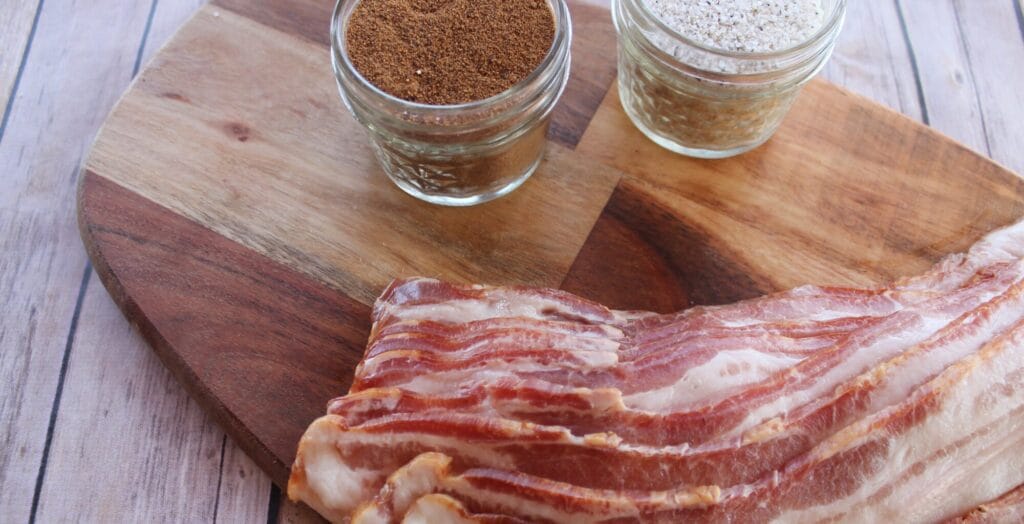
- Conventional Bacon: Around 350–450mg sodium per two to three slices, usually a major contributor to overall sodium intake at breakfast time.
- Deli Meat/Cold Cuts: Typically anywhere from 400mg to 600mg sodium per serving depending on the type and how it was processed.
- Ham: A higher-sodium option, sometimes going as high as 700mg or more per serving due to the curing process used.
- Sausage: Varies greatly depending on the brand and type, but most conventional varieties are in the 400mg to 600mg range per link or serving.
- Fresh, Raw, Unprocessed Meat: Much naturally lower in sodium, under 100mg per serving for many products before seasoning is applied.
Please remember that the values above are general estimates, and the actual amounts can vary greatly by brand and recipe. As an example, Wellshire Uncured Beef Bologna is great for sandwiches and contains just 360mg of sodium per serving. Always consult the label of the specific product you have to get the most accurate number.
The Type of Product is More Important Than the Category
While we may often categorize foods as simply “bacon” or “deli meat,” and just as easily label them as high sodium foods, not all items within these categories are equal. You’ll find that reduced-sodium options and products that are labeled as “uncured” can dramatically bring down sodium levels when compared to their conventional counterparts, all without sacrificing great taste!
This is precisely why taking a peek at a label can make a difference. For example, Wellshire Uncured Turkey Bacon is humanely raised without antibiotics or added hormones and contains 200mg of sodium per serving. That’s just 9% of your daily value. Pair that with an egg and scoop of yogurt or cottage cheese, and you have a healthier start to your day.
Balancing Sodium Intake While Still Enjoying Meat
Here are a few tips for managing your sodium without having to completely eliminate your beloved meats from your diet:
- Portion Control: Salt intake increases significantly with larger portion sizes, so stick to serving sizes specified on the nutrition label.
- Seek Reduced Sodium/Uncured Options: When available, opt for these alternatives. Wellshire Uncured Maple Bourbon Bacon has a delicious flavor and contains 210mg of sodium per slice, similar to Wellshire Turkey Bacon.
- Pair wisely: Serve meats that are higher in sodium alongside lower sodium foods that are also rich in potassium. These include leafy green vegetables, avocado, and sweet potatoes. They work in tandem to help your body maintain a healthy balance.
- Balance your day: If your first meal includes high sodium meats like bacon or sausage, make sure to keep the sodium content low throughout the rest of your meals for the day.
- Double check label numbers: Sodium is not an obvious ingredient that you should just assume. The numbers are not the same from brand to brand, so you should always do a quick visual check to be on the safe side.
With Wellshire, You Don’t Have to Choose Between Flavor and Food You Feel Good About
Enjoying a balanced diet doesn’t require you to say goodbye to bacon, ham, sausage, or deli meat. Instead, making informed decisions about the choices you make will allow you to integrate these favorite foods into your diet.
Wellshire’s uncured bacon and uncured deli meats use simple, quality ingredients so you can build meals you actually want to eat. Take a moment to explore our product selection and find some easy-to-incorporate sodium balancing solutions.